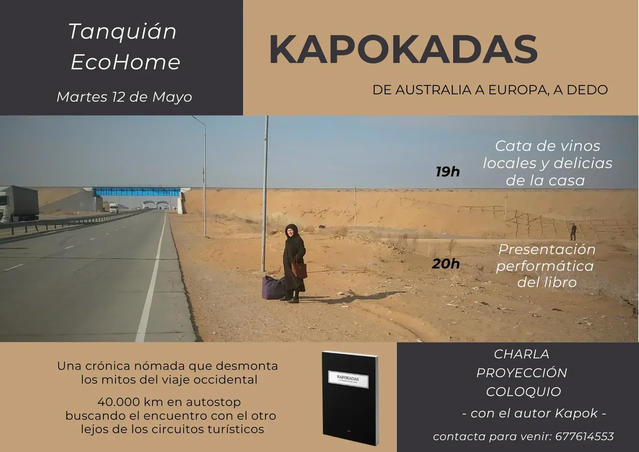
Event
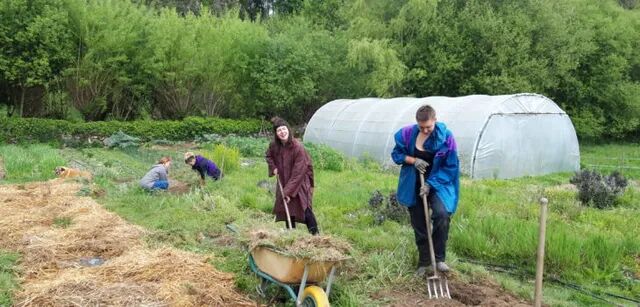
In May, the rainy weather helped the garden thrive, especially rhubarb, asparagus, radishes, and mustard. While dealing with weeds, many plants from the greenhouse were transplanted. New beehives were added to the property. Frost protection for fruit trees was essential, and tasks included harvesting and preparing crops for future growth. Despite the challenges, the season brought much-needed success and fresh produce for the community.
In April, the rainy weather helped the garden thrive, especially rhubarb, asparagus, radishes, and mustard. While dealing with weeds, many plants from the greenhouse were transplanted. New beehives were added to the property. Frost protection for fruit trees was essential, and tasks included harvesting and preparing crops for future growth. Despite the challenges, the season brought much-needed success and fresh produce for the community.
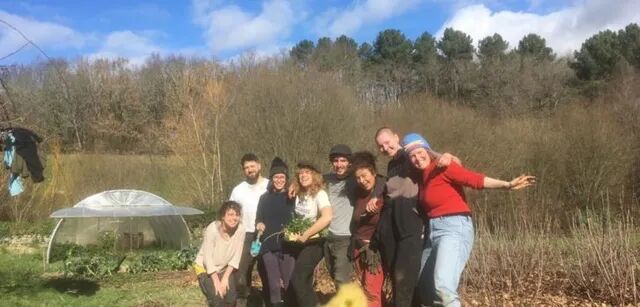
Since the beginning of 2021 Tanquián has seen many new developments. Manú and May, the children of the pioneer Emmely who started this project 30 years ago, have initiated the second generation of the Tanquián eco-community. Over the course of January and February the first 7 permanent members of Tanquián 2021 have moved in and are immersing themselves in the communal self-sufficiency farm life.
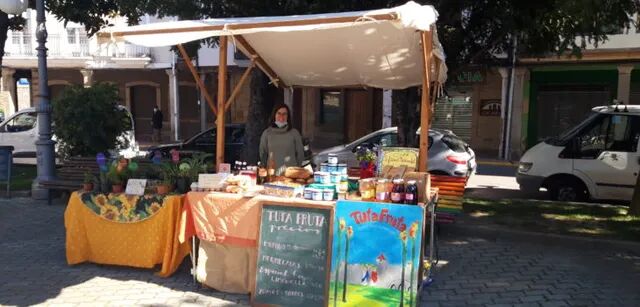
The community started the month of March by taking over the monthly tradition of attending the Cacabelos eco-market in El Bierzo, taking all their eco jams, teas, juices, plants and organic bread to be sold. This marked the beginning of the community’s independent running of the farm and the development of their own rhythm.
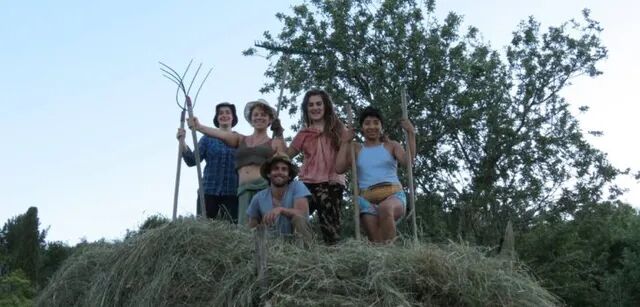
What kind of work do farmers face in early summer? Yes, to get the hay in. In our case it`s the harvest for Amber, our horse, and Avi, the donkey.


